Greek Cuisine Trends Shaping 2026 Dining
The global food landscape is shifting into a more interconnected, fast-moving, and experience-driven ecosystem. Diners are no longer satisfied with static menus or predictable flavors; they want stories, identity, and innovation on every plate. This transformation is especially visible in how heritage cuisines are being reinterpreted through digital platforms, sustainability movements, and cross-cultural experimentation.
In this evolving culinary atmosphere, Greek Cuisine Trends are emerging as one of the most influential forces shaping modern dining behavior, blending tradition with technology while expanding rapidly across global food marketplaces.
Evolution of Greek Cuisine in Modern Dining
Greek cuisine is no longer confined to coastal villages or traditional tavernas—it has entered a global stage where reinvention is constant and expectations are higher than ever. Modern diners are seeking deeper meaning in what they consume, pushing chefs to rethink heritage dishes through a contemporary lens.
The rise of Mediterranean food culture has amplified this evolution, positioning Greek culinary identity as both timeless and adaptable within global dining ecosystems.
Greek gastronomy is also being reshaped by consumer curiosity and digital discovery, where authenticity and innovation must coexist to remain relevant in competitive food markets.
Revival of traditional Mediterranean ingredients
Ancient ingredients are returning with renewed purpose, not as nostalgic symbols but as functional pillars of modern cuisine. Olive oil, legumes, wild herbs, and seafood from the Aegean are being reintroduced into premium dining experiences with traceable sourcing and sustainable farming narratives. These elements are no longer considered rustic—they are now markers of culinary sophistication and ecological awareness.
Influence of global fusion gastronomy
Greek cuisine is increasingly blending with international culinary traditions, creating hybrid dishes that reflect a borderless food culture. Asian fermentation techniques, Latin spice layering, and Nordic preservation methods are being integrated into classic Greek recipes, resulting in unexpected but harmonious flavor profiles.
Health driven food culture transformation
Health-conscious dining is now central to menu design. Greek-inspired dishes are evolving into nutrient-balanced meals aligned with anti-inflammatory principles and plant-forward nutrition. Chef Dimitris Kalogeras once noted, “Greek food has always been ahead of its time because it naturally aligns with balance, not excess,” highlighting the enduring wisdom embedded in traditional cuisine.
Technology and Innovation in Greek Restaurants
The restaurant industry is undergoing a digital metamorphosis, and Greek cuisine is at the forefront of this transformation. Technology is no longer just an operational tool—it is shaping how food is created, delivered, and experienced.
The acceleration of Greek Cuisine Trends is deeply connected to the rise of intelligent systems that personalize dining experiences and streamline kitchen operations.
At the same time, Mediterranean food continues to provide a cultural anchor, ensuring that innovation does not erase heritage but instead amplifies it in modern formats.
AI powered menu personalization
Artificial intelligence is redefining how restaurants interact with diners. By analyzing preferences, dietary habits, and behavioral patterns, AI systems now curate personalized Greek dining experiences that feel intuitive and highly relevant to each guest.
Smart kitchens and automation systems
Automation is enhancing precision in Greek cooking techniques. From robotic grilling systems to smart temperature controls for slow-cooked dishes, technology ensures consistency while preserving traditional flavor integrity at scale.
Digital ordering and contactless dining
Digital transformation has normalized QR menus, mobile ordering apps, and contactless payment systems. These innovations improve convenience while also enabling restaurants to collect real-time data for continuous optimization.
Social Media Impact on Greek Food Trends
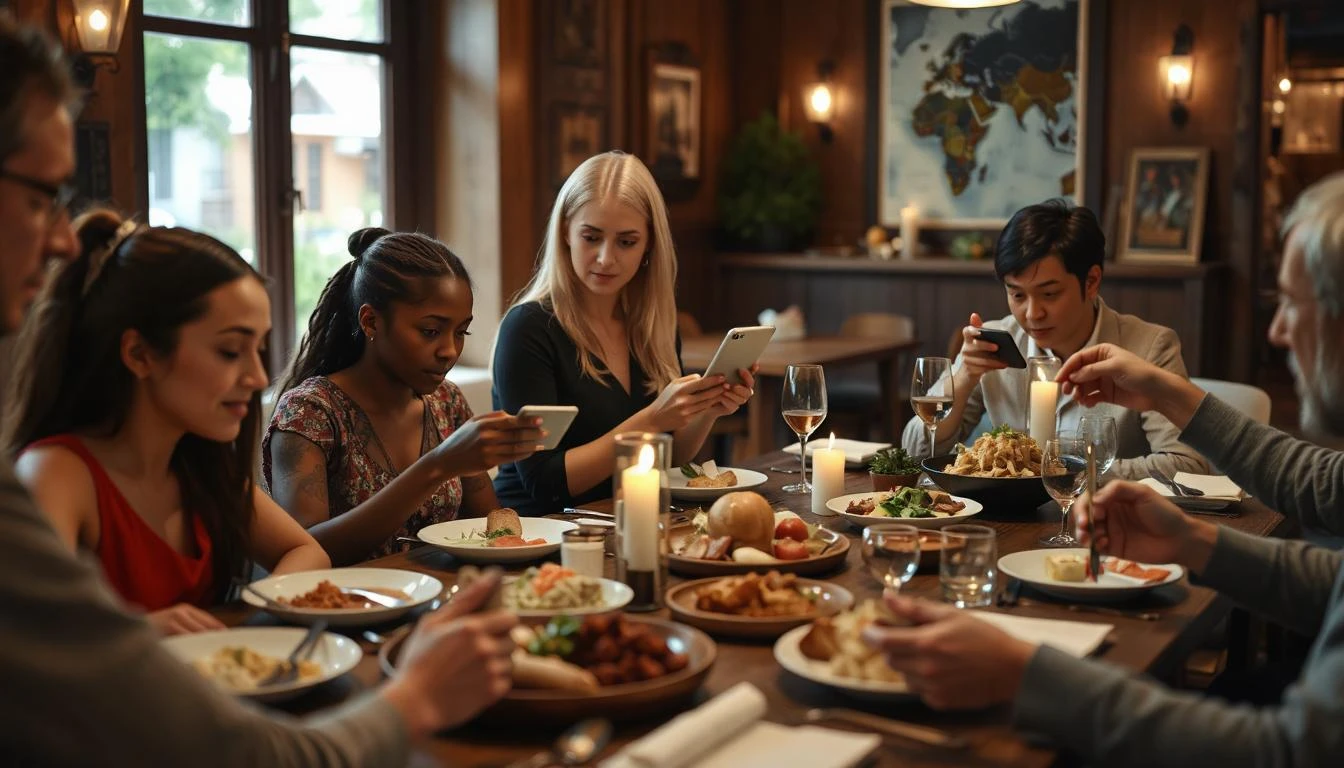
Social media has become the most powerful engine driving global awareness of Greek cuisine. Platforms like TikTok and Instagram are transforming everyday dishes into viral sensations that influence global dining behavior within hours.
The visibility of Greek Cuisine Trends is now heavily shaped by algorithmic amplification, where storytelling, aesthetics, and engagement determine culinary popularity.
TikTok viral Greek street food
Greek street food has gained massive traction on short-form video platforms. Items like gyro wraps, feta-based snacks, and honey desserts are reaching global audiences, turning local recipes into international trends.
Influencer driven restaurant popularity
Food influencers are now key drivers of restaurant success. A single viral review can elevate a small Greek eatery into a global destination, reshaping tourism patterns and consumer expectations.
Visual storytelling in food presentation
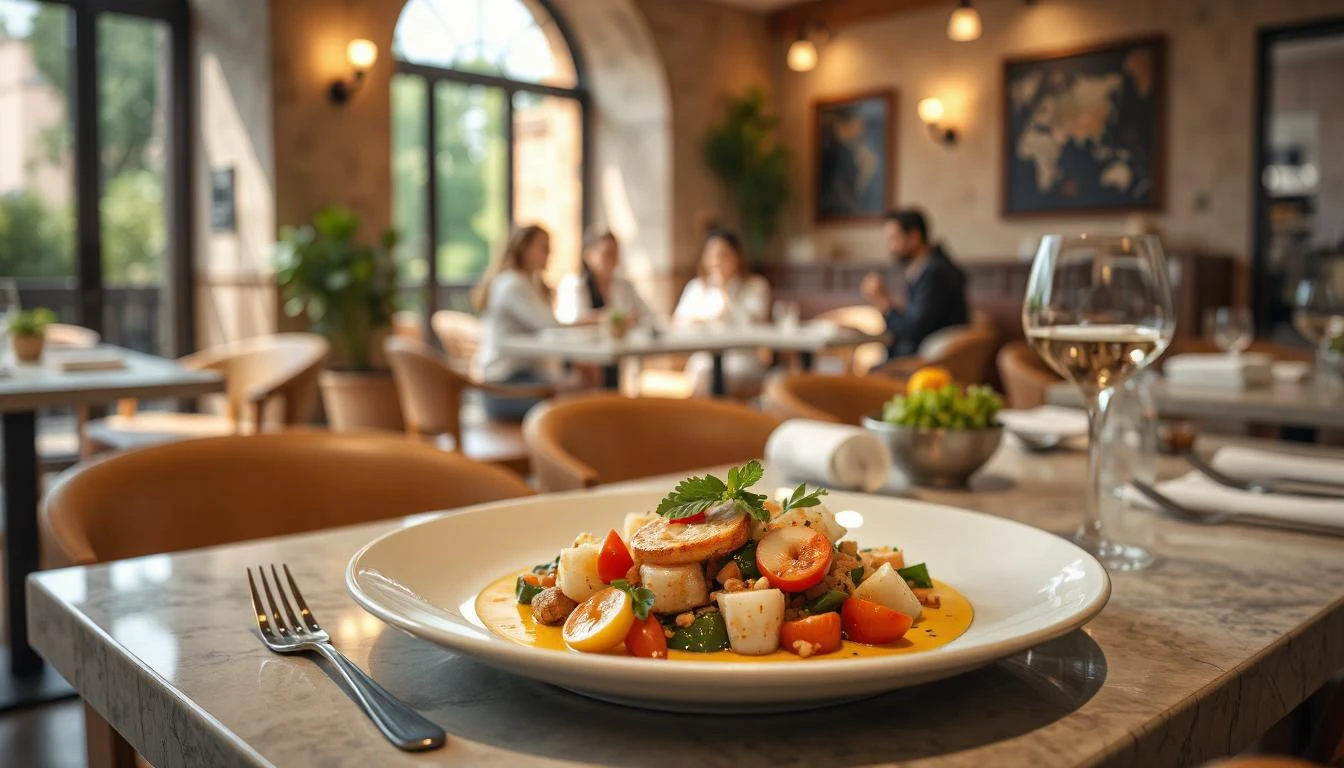
Presentation has become a strategic necessity. Restaurants now design dishes with visual storytelling in mind, ensuring they perform well in digital feeds where aesthetic appeal often determines reach.
Food culture expert Natalia Vassiliou explains, “In the digital era, taste begins with the eyes before it ever reaches the palate,” emphasizing how visual identity has become central to modern dining.
Explore the Future of Greek Dining Experiences Now
Greek cuisine is entering a phase where dining becomes an interactive and immersive experience rather than a simple act of consumption. From AI-generated menus to digitally connected supply chains, every element of the food journey is being redefined.
The expansion of Greek Cuisine Trends into global digital ecosystems reflects a broader shift in how people discover and engage with food culture across borders.
Meanwhile, Mediterranean food continues to serve as a foundational influence, ensuring that innovation remains grounded in nutritional balance and cultural authenticity.
The future of dining is not only about what is served but how it is experienced, shared, and remembered across digital and physical spaces.