Global Food Culture Trends in Digital Era
The way people eat, share, and talk about food has shifted into something far more dynamic than ever imagined. Digital platforms have turned everyday meals into global conversations, where a single dish can travel across continents within seconds. What used to be local culinary heritage is now part of a constantly evolving online narrative that connects cultures, creators, and consumers in real time.
At the center of this transformation are Food Culture Trends, shaping how individuals discover flavors, reinterpret traditions, and engage with global cuisine. These trends are no longer slow cultural shifts, they are accelerated by technology, social media, and digital marketplaces that redefine how food is experienced across borders.
Digital Transformation of Global Food Culture
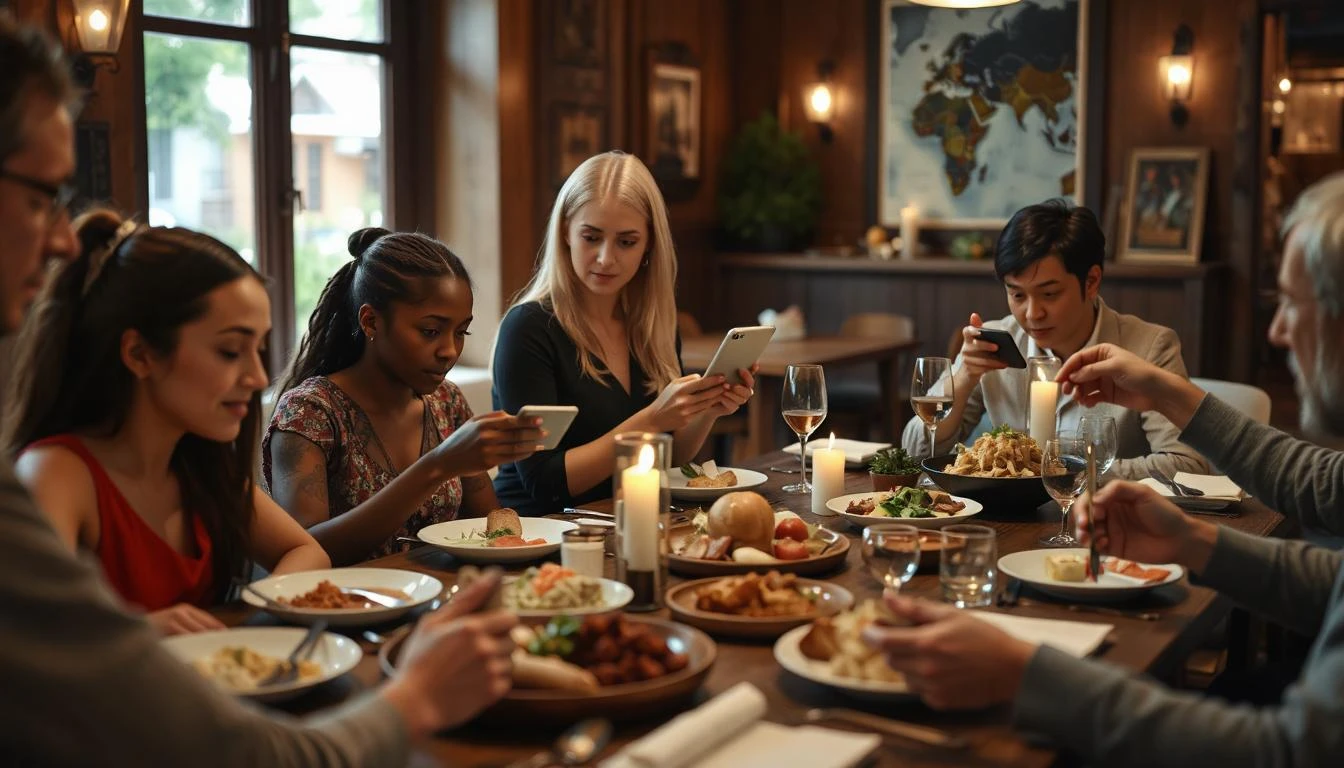
The digital world has turned food into a shared visual language that travels faster than ever before, reshaping how people interact with cuisine across cultures and continents.
The rise of digital platforms has made food discovery more interactive, immediate, and emotionally engaging. In this environment, TikTok food trends play a major role in influencing what people cook, eat, and share globally. As food becomes content, it also becomes culture in motion, constantly reshaped by engagement and creativity.
Social media shaping food trends worldwide
Social platforms now act as cultural accelerators where recipes are no longer static instructions but evolving digital performances. A food creator in one country can inspire millions elsewhere within hours. According to culinary analyst Dr. Helena Morris, “Social media has replaced traditional cookbooks as the primary driver of global culinary inspiration.”
Viral food challenges and trends
From oversized food portions to aesthetic plating experiments, viral challenges fuel participation-driven gastronomy. These trends thrive because audiences don’t just watch, they recreate and reinterpret them. The search behavior around how viral food challenges reshape modern eating habits globally reflects growing curiosity about this phenomenon.
Online communities of food enthusiasts
Digital food communities function as living ecosystems where knowledge, recipes, and cultural identity are continuously exchanged. These groups preserve authenticity while also encouraging innovation, ensuring Food Culture Trends remain both rooted and experimental.
Globalization and Culinary Fusion
Globalization has dissolved culinary borders, allowing flavors, techniques, and traditions to merge into entirely new gastronomic expressions.
The blending of culinary identities has become one of the most defining shifts in modern eating culture. Here, Food Culture Trends evolve through experimentation, migration, and cultural storytelling that travels through digital channels.
Cross cultural recipe innovation
Fusion dishes such as Korean-inspired tacos or Mediterranean sushi variations illustrate how cultures creatively intersect. LSI concepts like global cuisine blending and cross-cultural culinary exchange highlight this evolution.
Street food globalization
Street food is no longer confined to local streets, it is now a global attraction shaped by travel influencers and digital exposure. Vendors adapt international flavors to local environments, creating hybrid food identities.
International restaurant collaborations
Chefs across continents now collaborate through pop-ups and digital culinary events, creating exclusive dining experiences that reflect shared creativity. As chef Marco Bianchi once noted, “Collaboration is the new signature of modern gastronomy.”
Technology Driving Food Experiences
Technology is redefining how food is prepared, delivered, and experienced, turning dining into a fully digital-first interaction.
Modern consumers expect convenience, personalization, and immersion, and this expectation fuels innovation across the food industry. Within this space, Food Culture Trends are increasingly shaped by automation and data-driven personalization.
Food delivery platform evolution
Delivery apps and cloud kitchens have transformed urban dining habits, making food access faster and more flexible than ever before. The rise of virtual restaurants reflects changing consumer expectations.
AI driven recipe recommendations
Artificial intelligence now curates meal suggestions based on preferences, health data, and behavioral patterns. Long-tail search interests like personalized AI meal planning for global users highlight this shift toward hyper-personalized nutrition systems.
In parallel, discussions around Medical Treatment for Obesity Patients show how digital food ecosystems are increasingly connected to health and wellness optimization.
Virtual dining and metaverse restaurants
Virtual reality dining experiences allow users to share meals in simulated environments, blending entertainment and gastronomy. This marks a new frontier where Food Culture Trends extend beyond physical consumption into digital experiences.
Join the Future of Global Food Culture Today
The evolution of global dining is no longer a distant concept, it is happening now, shaped by every scroll, search, and shared recipe. Digital ecosystems continue to redefine how people perceive taste, identity, and connection through food. As Food Culture Trends continue to evolve, they reflect a world that is more interconnected, expressive, and creatively fluid than ever before.
Hook insight remains clear: food is no longer just nourishment; it is a cultural signal broadcast globally in real time. As food researcher Dr. Samuel Reed states, “We are witnessing the digitization of taste, where culture is shaped as much by algorithms as by tradition.”
You are part of this transformation every time you explore, share, or try something new. The future of food culture is already unfolding, and it is inviting you to participate in its evolution.